What is Inside Out?
In 2022, The Nature Effect was invited by HMP Bullingdon to design and develop garden spaces that could support wellbeing, rehabilitation, and family connection. This collaboration led to the Inside Out Project, which focuses on creating restorative environments for men in custody—particularly those in the Incentivised Substance-Free Living (ISFL) program, as well as individuals at risk of self-harm or with more complex needs.
The project has three key strands:
-
Therapeutic Garden
A sensory-rich therapeutic garden is being established alongside the ISFL unit. Designed to encourage biodiversity, relaxation, and skill-building, it provides a calming space for men from Arncott wing to maintain, while also offering healthcare professionals a supportive setting for assessments and tailored interventions. -
Visitor Centre Garden
In partnership with the PACT charity, The Nature Effect has helped transform the prison’s Visitor Centre garden into a welcoming, nature-filled environment. This space supports children and families during visits, reducing stress and creating opportunities for outdoor play, with staff and volunteers trained to keep the garden thriving. -
Community Connections
The project also helps strengthen links between men leaving custody and community-based organisations. By connecting individuals and families with local gardening and green-space initiatives, Inside Out supports positive reintegration, continuity of care, and opportunities for meaningful engagement beyond the prison gates.
Progress so far (PACT Garden)
The garden at the Visitor Centre is now complete and was officially opened in June 2025. Now officially named the Bloom & Play Garden, it is a vibrant, interactive outdoor space designed to support family visits and child development. It features a range of engaging elements, including flowering plants, a slide and a willow dome, as well as a music wall, sand pit and other nature-based play installations.
Working with PACT, The Nature Effect has co-produced two family-friendly leaflets. These share ideas for making the most of the gardens and for simple, affordable nature-based play, both during visits and at home.
To read our latest full report, click here.
ISFL (Internal) Garden
Work is due to start on January 19th – check back here for further updates.
Therapeutic Engagement
Over the past year, The Nature Effect has been delivering therapeutic, nature-based sessions in both the ISFL garden and the Family Visitor Centre garden at HMP Bullingdon. Led by experienced practitioners Phil and Charlotte, the sessions combine practical gardening with sensitive, trauma-aware facilitation, creating calm, welcoming spaces in an otherwise highly pressured environment.
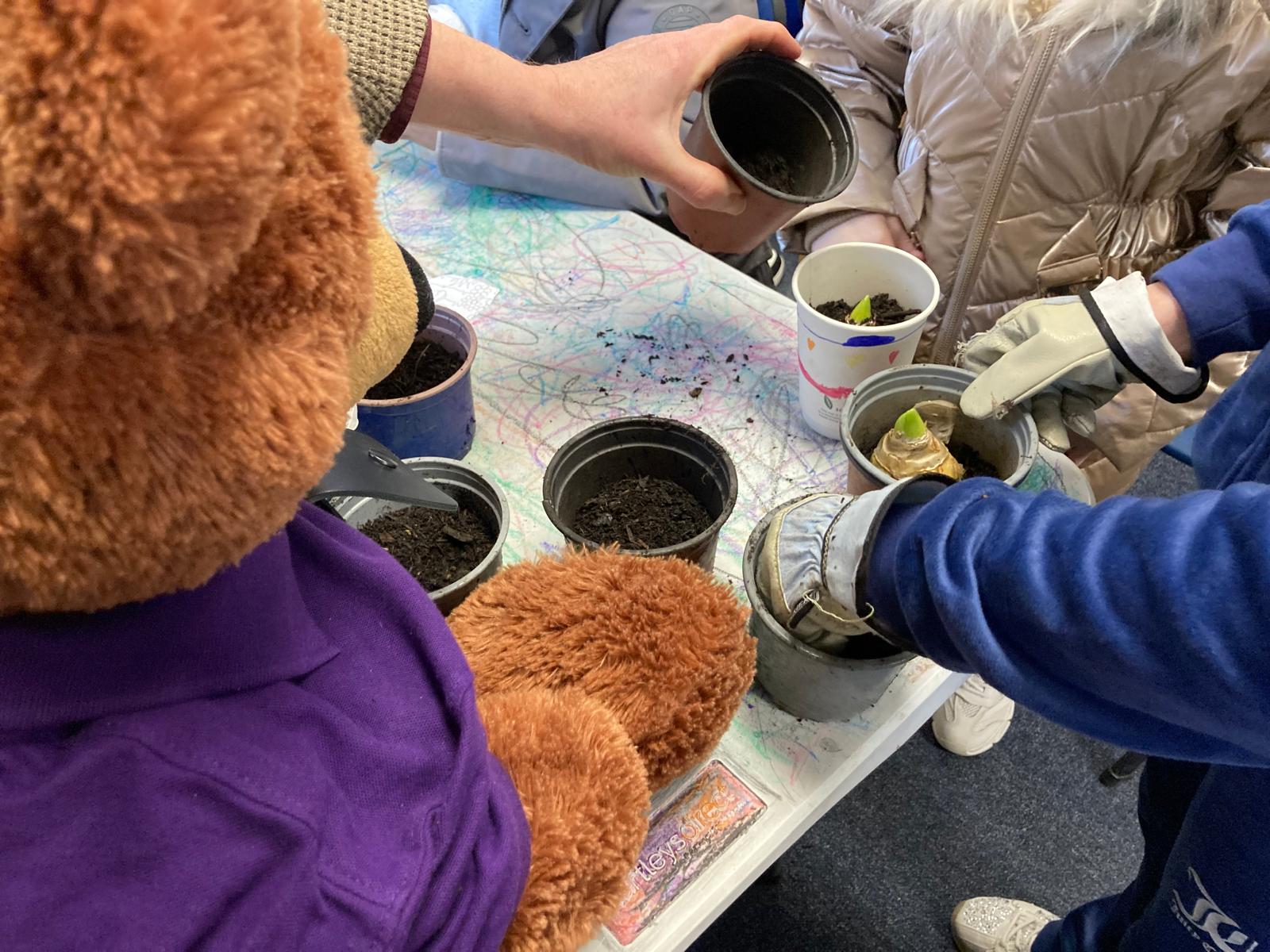
In the Visitor Centre garden, families have taken part in planting raised beds with vegetables such as tomatoes, squash, beans, lettuce and cucumbers, harvesting garlic, strawberries and mint, observing insects, and engaging in nature-based art activities like weaving and chalking. Children and adults have dug, planted and tasted produce together, with many taking herb and tomato plants home to continue growing. Parents consistently report that the garden eases the stress of visits, describing it as a valuable distraction and a place where children can relax and reconnect: “This is the best prison visit ever,” said one child, while a parent shared, “It has made such a difference to the visit – he’d have been climbing the walls if he hadn’t done this.”
Alongside this, monthly sessions with men on the Incentivised Substance-Free Living wing have focused on purposeful, hands-on work in the emerging ISFL garden. Activities have included planting hedges and vegetables, working with grow bags, constructing seating from scaffold planks, making chalkboard signage, watering and weeding, and helping with shed construction. Even while the physical build progressed slowly, Phil and Charlotte used this time to foster skills, teamwork and a strong sense of ownership among participants. Men have spoken with pride about growing chillies and sunflowers, with one participant saying, “I’m going to give this chilli to someone who cooks curry – he won’t believe we’ve grown it,” and another reflecting, “I’m going to be able to watch the sunflowers grow from my cell.” Staff have also noticed changes, commenting, “This is the best I’ve ever seen him.”
Together, the two gardens create a rare therapeutic thread between men and their families, with shared planting and growing offering a natural point of connection across visits. The evidence from this year’s pilot shows that these sessions reduce stress, build skills and confidence, and offer moments of dignity, calm and connection.

Internal/ISFL Garden

Visitor/Family Garden